5 Common Misconceptions About Hospital Cleaning Services


Introduction
Hospital cleaning services are a critical component of healthcare operations, ensuring a safe and sterile environment for patients, staff, and visitors. Despite their importance, there are several misconceptions that often cloud public perception. This article aims to debunk some of these common myths.
Misconception 1: All Cleaning Services Are the Same
Many people assume that cleaning services in hospitals are no different from those in other settings. However, hospital cleaning requires specialized knowledge and techniques. Staff must be trained in infection control procedures and the proper use of disinfectants to prevent the spread of pathogens.
Specialized Equipment and Protocols
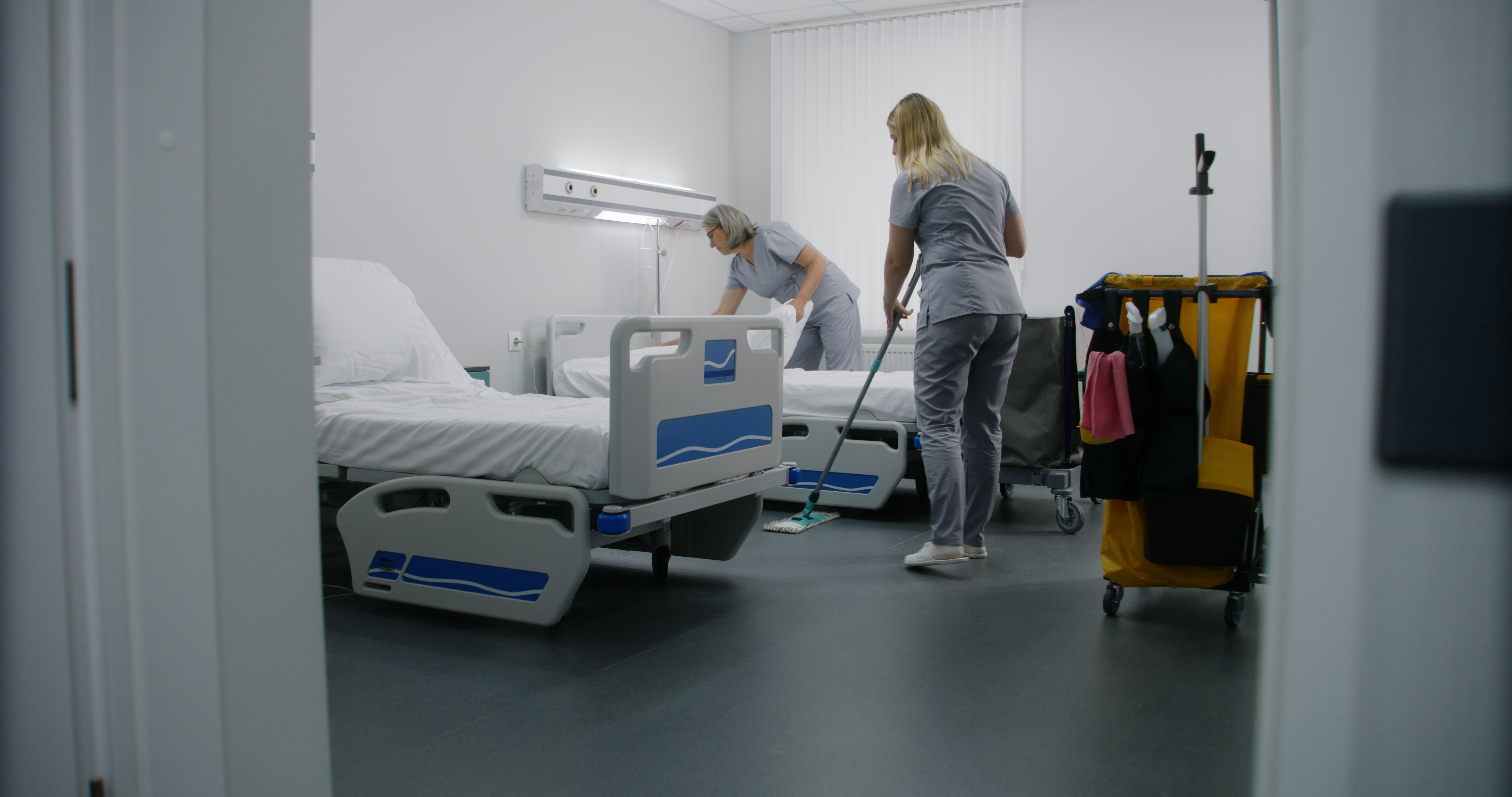
Hospital cleaning services use specialized equipment and follow strict protocols to maintain high standards of cleanliness. This includes the use of HEPA-filtered vacuums and UV light sanitizers that are not commonly found in regular cleaning services.
Misconception 2: Cleaning Is Only About Aesthetics
One of the most pervasive misconceptions is that hospital cleaning is purely about maintaining appearances. In reality, effective cleaning is crucial for infection control and patient safety. It involves rigorous procedures designed to eliminate harmful bacteria and viruses.
The Role in Infection Control
Hospital cleaning services play a vital role in reducing hospital-acquired infections (HAIs). By adhering to stringent cleaning protocols, they help ensure that healthcare environments remain safe for both patients and staff.

Misconception 3: Regular Cleaning Is Enough
Some believe that regular cleaning is sufficient to maintain hospital hygiene. However, hospitals require deep cleaning and disinfection to prevent the spread of infectious diseases. This includes terminal cleaning of patient rooms and operating theaters.
Importance of Deep Cleaning
Deep cleaning involves the thorough disinfection of surfaces and equipment that may not be addressed during routine cleaning. This process is essential for preventing cross-contamination and ensuring a safe healthcare setting.
Misconception 4: Outsourcing Compromises Quality
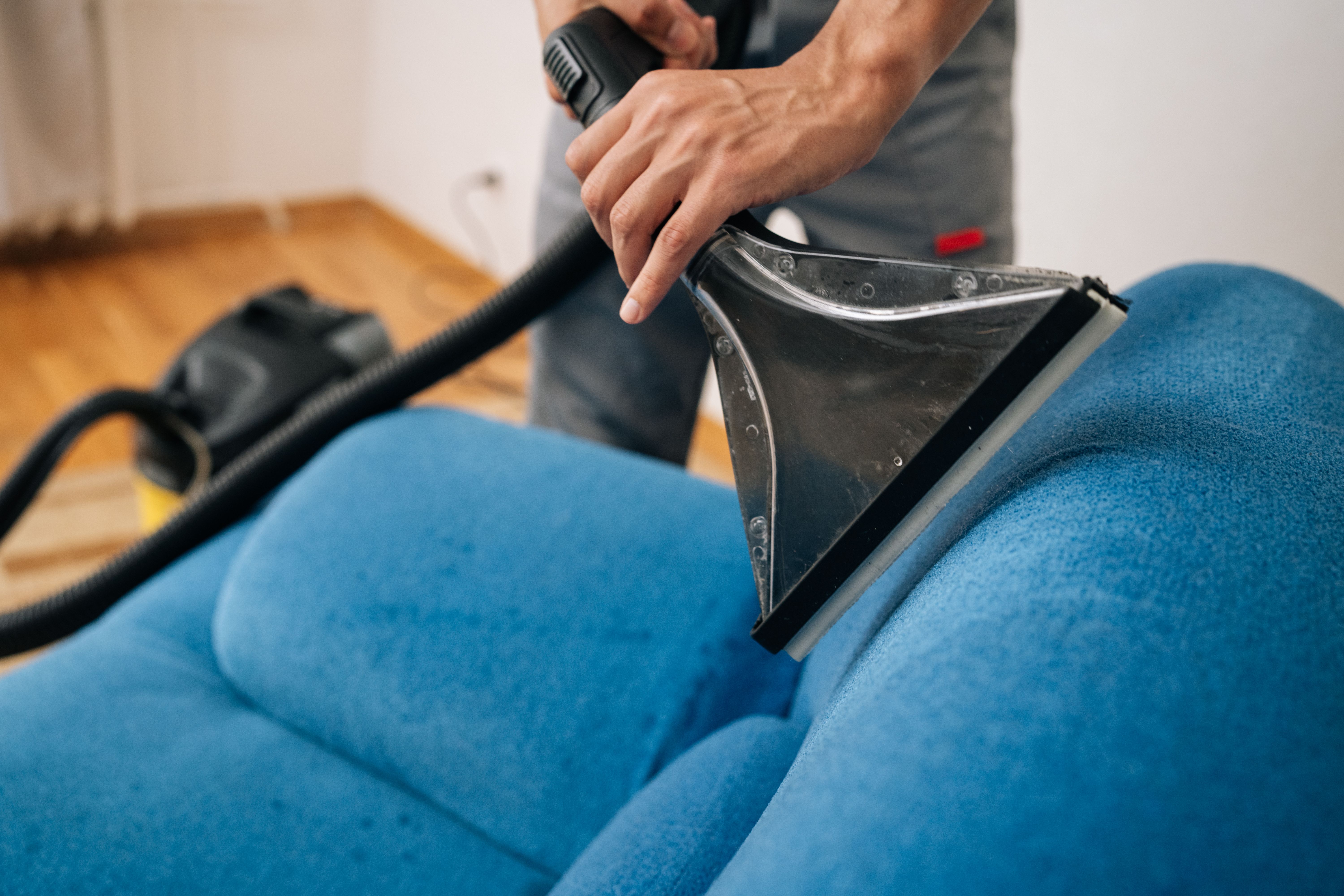
There is a misconception that outsourcing hospital cleaning services leads to a decline in quality. In fact, many hospitals outsource to specialized companies that provide highly trained staff and advanced cleaning technologies.
Benefits of Professional Cleaning Services
Professional cleaning services often bring expertise and efficiency that can enhance the overall quality of hospital hygiene. These companies invest in ongoing training and innovative cleaning solutions to meet healthcare standards.
Misconception 5: It's a Low-Priority Job
Some perceive hospital cleaning as a low-priority task. However, it is a fundamental aspect of healthcare that directly impacts patient outcomes. Cleanliness in hospitals helps prevent the spread of infections and contributes to overall patient satisfaction.
Recognition of Essential Work
The importance of hospital cleaning services has gained more recognition, especially in light of recent global health challenges. These professionals are essential workers, ensuring that healthcare facilities remain safe and operational.
In conclusion, understanding the critical role of hospital cleaning services helps dispel misconceptions and highlights their importance in maintaining a safe and sterile healthcare environment.